
Project delivery expectations across Australia continue to rise. Whether you are managing complex IT rollouts, large-scale construction projects, or multi-channel sales initiatives, the right project management system directly impacts cost control, delivery speed, and client satisfaction.
Today’s top project management platforms go far beyond task tracking. They support collaboration, resource planning, automation, reporting, and visibility across stakeholders. For project management companies operating in the Australian market, these tools also play a role in lead generation, client onboarding, and long-term customer acquisition.
This guide reviews the best project management software used across Australia in 2026, focusing on real-world use cases, scalability, and commercial impact. It is designed for founders, operations leaders, IT managers, and decision makers evaluating project management tools for growth and execution.
Connect with buyers actively looking for project management software
How We Evaluated the Best Project Management Tools in Australia
To identify the most effective project management software in the Australian market, we assessed platforms across practical criteria relevant to both SMEs and enterprises.
Feature depth and usability were essential, including automation, reporting, collaboration, and ease of adoption. We also evaluated fit for Australian project teams, taking into account pricing transparency, scalability, and regional relevance.
Industry flexibility played a major role. Strong tools are needed to support construction project management, IT project management, and professional services workflows. Visual planning tools such as Gantt chart views and dashboards were prioritised, along with integration capabilities across CRMs, sales outreach platforms, and lead generation systems. The outcome is a balanced list of top project management tools that support both delivery performance and commercial growth.
Comparison Table: Top Project Management Tools in Australia
| Tool | Best For | Key Strengths | Industries | Pricing Tier |
| Asana | Team collaboration | Workflow automation, timelines | Marketing, IT, services | Mid |
| Trello | Simple task tracking | Kanban boards, ease of use | SMBs, startups | Low |
| Monday.com | Custom workflows | Visual dashboards, automation | Sales, operations | Mid |
| ClickUp | All-in-one PM | Docs, tasks, reporting | Agencies, SaaS | Low–Mid |
| Jira | Agile delivery | Sprint planning, issue tracking | IT, software | Mid |
| Smartsheet | Structured planning | Spreadsheet-style control | Enterprise, construction | Mid–High |
| Zoho Projects | SMB management | Value pricing, integrations | Small teams | Low |
| Wrike | Resource planning | Advanced reporting | Enterprises | High |
| Microsoft Project | Enterprise PM | Deep scheduling, reporting | Large organisations | High |
| Airtable | Flexible systems | Custom databases | Ops, marketing | Mid |
The 10 Leading Project Management Tools in Australia
Asana
Asana project management software is one of the most widely adopted online project management tools across Australia. It is commonly used by marketing teams, agencies, and IT project management groups that need visibility across fast-moving workstreams.
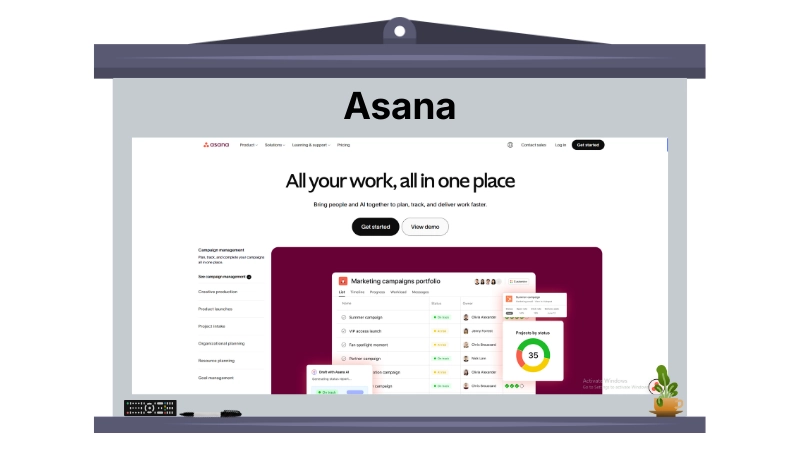
Asana offers multiple views, including lists, boards, timelines, and Gantt chart-style planning. Its automation features reduce manual follow-ups, while dashboards provide clarity for decision-makers.
For project management companies, Asana supports delivery workflows alongside lead nurturing, client onboarding, and internal coordination. Its integrations make it particularly useful where delivery and sales enablement intersect.
Best for: Cross-functional teams
Notable strength: Workflow visibility and collaboration
Trello
Trello remains one of the most accessible project management tools available. Built around Kanban boards, it is often adopted by Australian teams that value simplicity and speed.
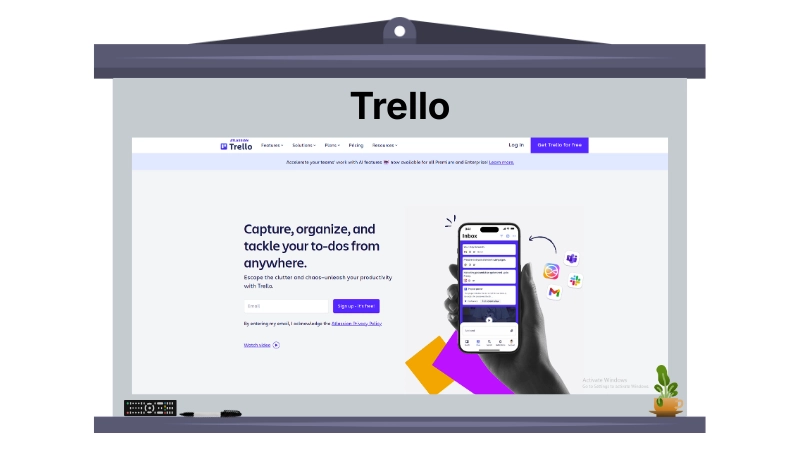
While Trello is not designed for complex construction management software use cases, it works well for internal planning, sales pipelines, and lightweight project tracking. Many teams use it to organise sales outreach, meeting setups, and early-stage lead qualification.
Its limitations become more apparent as teams scale, particularly around reporting and dependencies.
Best for: Small teams and simple workflows
Notable strength: Ease of use
Monday
monday.com positions itself as a highly visual project management platform designed to adapt to different workflows. Australian businesses often deploy it across sales, operations, and delivery teams.
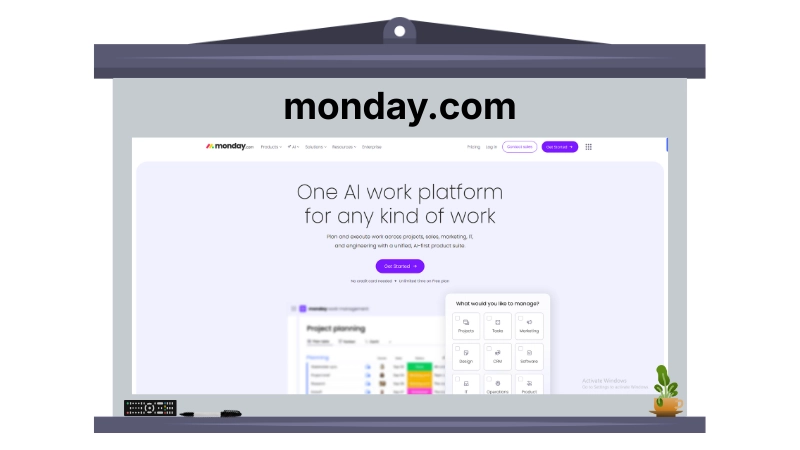
Its flexibility allows organisations to manage sales pipelines, appointment setting, and project execution in one system. Dashboards give leadership teams immediate visibility into performance and bottlenecks.
For project management companies focused on customer acquisition and growth, Monday.com aligns delivery work with commercial outcomes.
Best for: Custom workflows
Notable strength: Visual dashboards and automation
ClickUp
ClickUp has gained strong traction in the Australian market by positioning itself as an all-in-one project management system. It combines tasks, documents, reporting, and goals in a single platform.
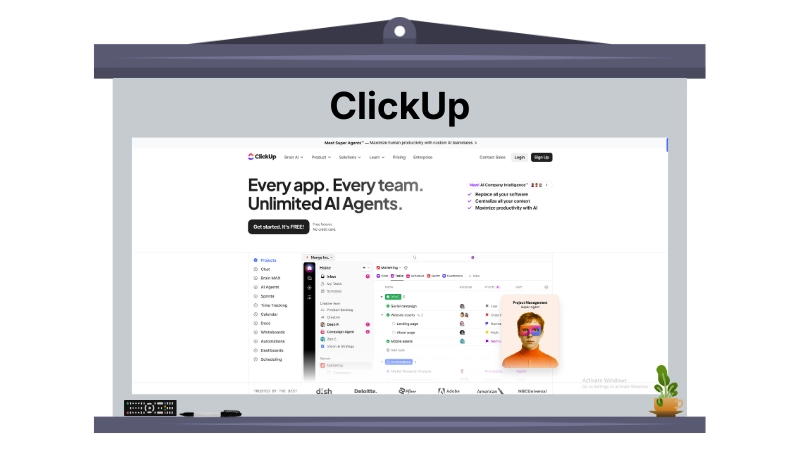
ClickUp supports advanced planning views including Gantt chart layouts and is commonly used by agencies, SaaS teams, and consultancies. Its document features help centralise SOPs and client documentation.
For teams managing qualified leads, discovery meetings, and delivery workflows together, ClickUp offers strong value at a competitive price point.
Best for: Agencies and growing teams
Notable strength: Feature depth at lower cost
Jira
Jira remains the dominant platform for IT project management and software delivery. In Australia, it is widely used by development teams and technical project management companies.
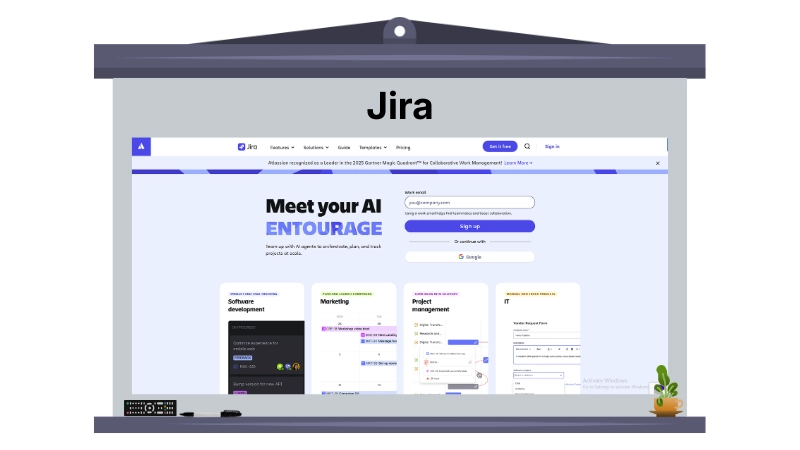
Jira excels in sprint planning, issue tracking, and backlog management. While it requires configuration and training, it provides deep control over agile workflows.
For technology-driven organisations, Jira supports long-term delivery planning and accountability, though it is less focused on sales or lead gen use cases.
Best for: Software and IT teams
Notable strength: Agile execution
Smartsheet
Smartsheet bridges spreadsheets and modern project management software. It is frequently used by Australian enterprises and construction project management teams that require structured planning.
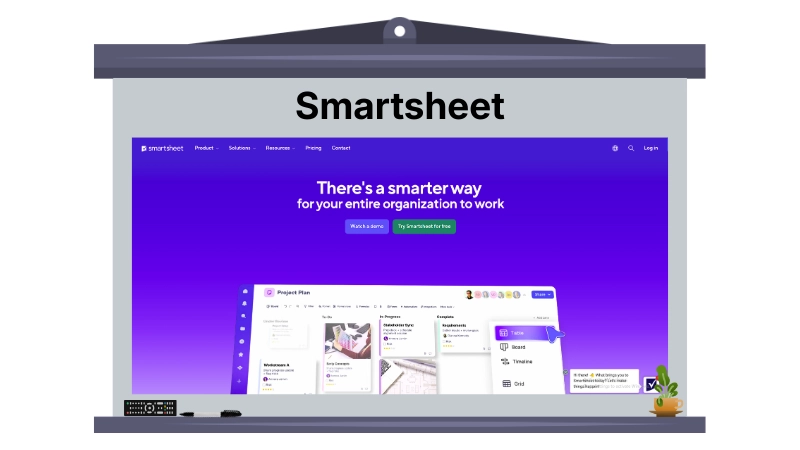
Its grid-based interface appeals to teams managing dependencies, compliance, and multi-stakeholder programs. Smartsheet is often adopted where governance and reporting are critical.
For construction and infrastructure projects, it offers strong control and transparency.
Best for: Enterprise and construction
Notable strength: Structured project control
Zoho Projects
Zoho Projects is a practical solution for small Australian teams already using Zoho applications. It covers core project management tools such as task tracking, time logs, and reporting.
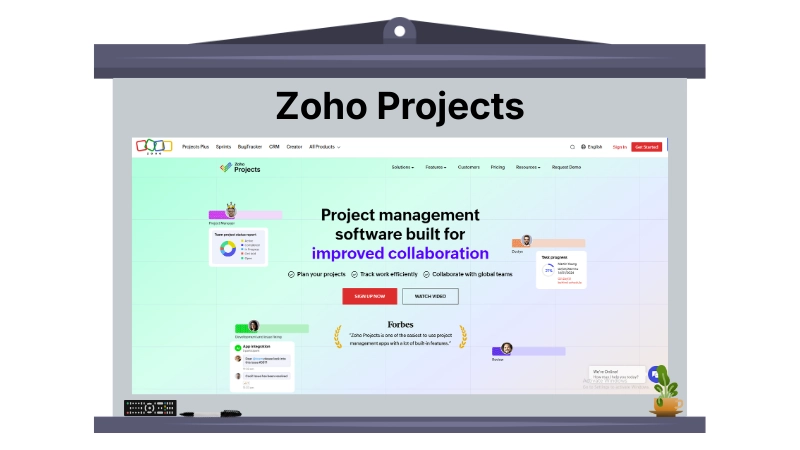
While it lacks some advanced features, it delivers strong value and integrates well within the Zoho ecosystem. It suits teams focused on execution rather than complex sales workflows.
Best for: Small businesses
Notable strength: Cost efficiency
Wrike
Wrike targets enterprise-grade project management companies with advanced reporting and resource planning needs. It supports complex approval workflows and executive dashboards.
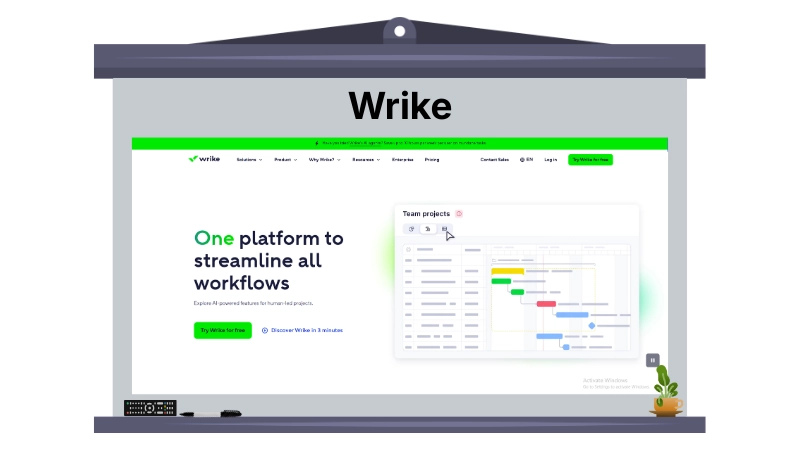
Wrike is commonly used by large Australian organisations managing distributed teams and high project volumes. It requires structured onboarding but delivers strong oversight.
Best for: Large teams
Notable strength: Advanced reporting
Microsoft Project
Microsoft Project remains a standard for enterprise planning, particularly in engineering and infrastructure. It is often used alongside Microsoft 365 in the Australian market.
The platform excels at detailed scheduling, dependencies, and reporting. While less collaborative on its own, it remains relevant for organisations already embedded in Microsoft ecosystems.
Best for: Enterprise scheduling
Notable strength: Detailed planning
Airtable
Airtable blends database functionality with project tracking. Australian teams use it to build custom systems for operations, marketing, and client management.
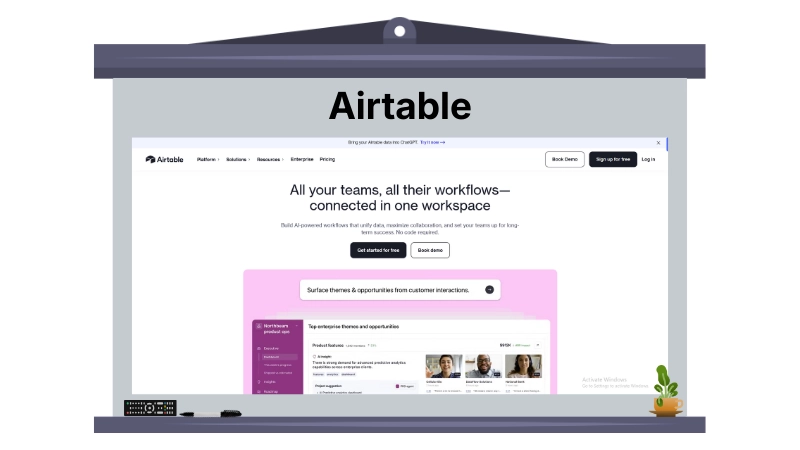
While not a traditional project management platform, Airtable supports flexible workflows that connect delivery with lead generation, account-based marketing, and sales operations.
Best for: Custom workflows
Notable strength: Flexibility
Get featured in our list and get access to your potential clients.
How to Choose the Best Project Management Software for Your Business
Choosing the best project management software depends on your delivery model and long-term growth goals. Australian project management companies should consider the following factors.
Industry requirements: This matters because construction project management and IT project management rely on very different workflows, reporting structures, and compliance needs. The software should match how your projects are actually delivered.
Sales and growth alignment: This is important because platforms that support lead generation, sales outreach, and customer acquisition help create long-term commercial value beyond day-to-day project delivery.
Scalability: This is essential since the project management system should grow with your team and support market expansion without requiring frequent platform changes.
Decision-maker visibility: This is critical because dashboards and reporting tools should provide executives and other decision-makers with clear oversight of progress, risks, and resource use.
Integration needs: This should be considered carefully because CRMs, marketing, cybersecurity tools, and lead generation platforms need to connect seamlessly to avoid operational silos.
See how Callbox bridges the marketing gap for a Global Provider of Project Management Solutions.
Project Management Tools and Lead Generation
Modern project management platforms increasingly support revenue growth. When aligned with lead generation services for project management companies, these tools help teams find new clients, manage sales-qualified leads, and improve lead qualification.
Platforms that support discovery meetings, appointment setting, and lead nurturing allow teams to connect delivery performance with customer acquisition. In competitive Australian markets, this alignment creates a measurable advantage.
Final Thoughts
The Australian market offers a diverse range of top project management tools, each designed for different delivery models and industries. From agile development with Jira to flexible platforms like ClickUp and enterprise planning with Microsoft Project, the right choice depends on your operational and growth objectives.
The best project management platform supports execution, visibility, and long-term client relationships. For Australian project management companies, aligning delivery technology with lead generation and sales enablement is no longer optional—it is strategic.