
If you sent 100 cold emails to Australian B2B buyers this month, how many would you expect to turn into real conversations?
For most B2B SaaS teams, the answer is uncomfortable. Not because cold outreach no longer works, but because the way it’s being executed hasn’t kept pace with how Australian decision-makers actually buy. CTOs, founders, and functional leaders aren’t ignoring outreach out of spite. They’re filtering out messages that feel rushed, generic, or disconnected from their day-to-day reality.
In the Australian market, buyers are cautious, time-poor, and deeply sceptical of generic sales messaging. That reality has led many SaaS teams to assume cold outreach is broken. In truth, what’s failing is the strategy behind it, poor segmentation, shallow research, and follow-up sequences that prioritise volume over relevance.
This article outlines the cold outreach strategies driving B2B SaaS sales in Australia today, focusing on what resonates with decision-makers, what supports longer sales cycles, and what builds a pipeline without damaging brand trust.
Scaling cold outreach for SaaS?
Does Cold Outreach Still Work for B2B SaaS Sales in Australia?
Yes, if you align it with how Australian buyers make decisions.
Cold outreach remains a critical part of B2B SaaS sales, especially when inbound demand alone can’t sustain pipeline growth. In Australia, buying cycles are longer, budgets are scrutinised carefully, and most B2B deals involve multiple decision-makers.
Cold outreach allows you to:
- Reach decision-makers before a buying project is formally defined
- Introduce value where no active search intent exists
- Create early-stage demand for complex B2B deals
If you’re selling to mid-sized companies, CTOs, or regulated industries like law firms, cold outreach often becomes your first meaningful point of contact. The key is using it to start conversations, not force outcomes.
High-performing cold outreach requires more than good copy. See how Callbox helped a Cloud Computing Company reach IT decision-makers in Australia.
Why Does Most B2B SaaS Cold Outreach Fail?
Because it targets too broadly and asks too much, too fast.
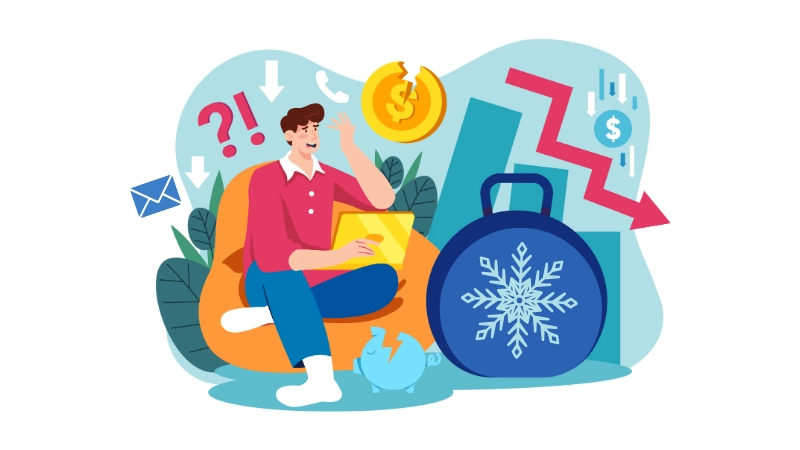
When your sales outreach relies on generic lists and templated messaging, it fails to reflect the realities of the Australian market. Buyers expect relevance. If they don’t see it immediately, they move on.
Cold outreach fails when you:
- Treat all B2B SaaS buyers the same
- Personalise superficially instead of researching deeply
- Push demos before establishing value
To improve response rates, you need to rethink how you segment, research, and follow up.
How Should You Segment for B2B SaaS Cold Outreach?
You should use micro-segmentation, not broad targeting.
Micro-segmentation is the foundation of effective B2B SaaS sales outreach. Instead of targeting “IT leaders in Australia,” you narrow your focus based on shared pain points and buying context.
Effective micro-segmentation considers:
- Company size and growth stage
- Industry-specific challenges
- Technology maturity
- Location and market pressures (e.g., Melbourne vs regional Australia)
For example, outreach to CTOs at scaling SaaS companies should sound very different from outreach to IT leaders at law firms or operations leaders in professional services.
When you align your sales outreach with a clear segment, your messaging becomes immediately more relevant—and more credible.
If your cold emails aren’t starting conversations, the issue isn’t outreach—it’s alignment.
What Makes Research-Based Outreach More Effective?
It shows you understand the buyer’s world, not just their title.
Australian decision-makers respond to outreach that demonstrates insight, not enthusiasm. Research-based outreach works because it reflects real operational challenges rather than surface-level personalisation.
Strong research-based outreach answers three questions:
- What problem is this type of company likely facing right now?
- Why does that problem matter to this role?
- Where might your solution add value—without pitching?
You don’t need to research every account individually. Instead, you identify patterns:
- SaaS companies with more than 100 employees struggle with tooling sprawl
- Mid-sized companies modernising systems face internal resistance
- Law firms adopting new technology prioritise risk over speed
When your outreach reflects these realities, you earn attention.
Explore sales pitch ideas for your B2B SaaS business
How Do You Write a High-Converting Cold Email?
You lead with value and lower the commitment.
High-converting cold email campaigns in B2B SaaS sales focus on one thing: relevance. In Australia, buyers are more likely to respond when you respect their time and avoid hard sells.
Your cold email should include:
- One clear pain point
- A concise value proposition
- A low-stakes CTA
Instead of asking for a demo, you invite dialogue:
- “Is this something you’re currently exploring?”
- “Would it be useful to compare notes?”
- “Open to a brief conversation?”
This approach aligns with Australian buying behaviour and improves reply rates without damaging trust.
Why Should You Combine LinkedIn and Email Outreach?
Because buyers research you before they reply.
In Australian B2B sales, LinkedIn and email outreach work best together. Email delivers structure and clarity. LinkedIn adds familiarity and credibility.
A practical LinkedIn + Email flow looks like this:
- Send a neutral LinkedIn connection request
- Follow with a research-based cold email
- Engage lightly on LinkedIn (views, content interaction)
- Send a follow-up that references context
Tools like LinkedIn Sales Navigator, Apollo.io, Lemlist, and Instantly.ai help manage sequencing, while CRMs such as HubSpot and Pipedrive ensure outreach stays connected to pipeline activity.
Learn how to use LinkedIn connections for email marketing.
Multi-channel outreach helps you stay visible without being intrusive.
How Important Is Follow-Up in B2B SaaS Sales?
It’s where most B2B deals actually start.
Silence doesn’t mean rejection. It usually means timing isn’t right.
An effective B2B follow-up strategy includes:
- 5–7 total touches across email and LinkedIn
- Thoughtful spacing between messages
- New value in every follow-up
Your follow-ups might:
- Share a different use case
- Introduce a relevant industry trend
- Acknowledge that timing may not be ideal
Australian buyers respect persistence when it’s paired with relevance. Repetition without value, however, quickly erodes trust.
What Compliance Rules Affect Cold Outreach in Australia?
You must comply with the Spam Act 2003 and respect opt-outs.
Cold outreach in Australia operates under stricter rules than in many markets. The Spam Act 2003 requires that your outreach:
- Clearly identifies who you are
- Includes a working opt-out or unsubscribe
- Avoids misleading subject lines
Beyond compliance, deliverability depends on clean data, reasonable send volumes, and honouring unsubscribe requests. Respecting the right to disconnect is both a legal and cultural expectation.
Compliance isn’t a limitation—it’s a credibility signal.
When Is the Best Time to Send Cold Emails in Australia?
During local business hours, mid-week.
Timing has a measurable impact on response rates. For Australian B2B sales outreach, best practices include:
- Sending during standard business hours
- Avoiding early mornings, late evenings, and public holidays
- Testing mid-week send times
When you send at the right time, your outreach feels intentional rather than intrusive.
Why Should Cold Outreach Be Integrated With Your CRM?
Because outreach without visibility leads to lost opportunities.
Cold outreach shouldn’t live in isolation. When integrated with your CRM, you gain insight into engagement patterns, buying signals, and pipeline health.
Using tools like HubSpot or Pipedrive allows you to:
- Track engagement across LinkedIn and email
- Identify warm accounts early
- Align sales and lead generation efforts
For longer B2B SaaS sales cycles, this visibility is critical.
Callbox acts as an extension of your SDR & lead generation function—delivering conversations, not just activity.
What This Means for Your B2B SaaS Sales Strategy
Cold outreach isn’t broken. It’s misaligned.
In Australia, effective B2B SaaS sales outreach is:
- Micro-segmented
- Research-driven
- Compliant and respectful
- Focused on value over volume
If you want cold outreach to drive pipeline, you need to align your strategy with how Australian buyers evaluate risk, value, and timing.
You don’t win B2B deals by sending more messages.
You win by sending the right ones.